


2026
ASHK Welcomes Policy Address Steps on Healthcare Costs and Retirement Security, Urges Swift Delivery

Hong Kong's Ageing Population at Risk of Outliving its Savings: The Actuarial Society of Hong Kong (“ASHK”) Urges Reforms in the First Five-Year Plan and Policy Address Consultation Submission
The independent actuarial professional body sets out proposals to meet Hong Kong’s ageing challenge by making better use of existing public schemes.
Hong Kong, 11 September 2026 – The Actuarial Society of Hong Kong (“ASHK”) has made Hong Kong’s rapidly ageing population its core focus for this year, warning that without coordinated policy action, a generation of Hong Kong residents faces the risk of outliving their retirement savings. In its detailed submission to the Government’s consultations on the First Five-Year Plan and the 2026 Policy Address, ASHK put forward targeted reform proposals to help residents better finance longer-term retirement and safeguard their health in old age.
Hong Kong boasts one of the world’s highest life expectancies, standing at 83.3 years for men and 88.7 years for women[1]. This means many people will spend 20 to 30 years in retirement. Nevertheless, over 90 per cent of retirees withdraw their entire Mandatory Provident Fund (MPF) savings in one lump sum payment[2], exposing them to significant risk of depleting their funds in later life. By 2030, Hong Kong's population over 65 will grow by around 300,000[3] to around 2.2 million[4]. That leaves only about 2 working-age adults to support each retiree, straining the welfare system and the economy. To date, Hong Kong’s existing retirement and healthcare schemes have been developed in silos and lack cross-system alignment, making it harder for people to plan for a long retirement and old age.
Strengthen Retirement Wealth
ASHK’s submission advocates for better and more integrated deployment of Hong Kong’s existing public schemes. To strengthen retirement wealth, its key recommendation seeks to connect the Mandatory Provident Fund (MPF), Qualifying Deferred Annuity Policy (QDAP) and HKMC Annuity Plan to better facilitate effective retirement savings decumulation. This framework aims to help convert one-off lump sum savings into reliable regular income streams, rather than funds that are typically exhausted too quickly. One specific proposal is to raise the combined tax deduction ceiling for voluntary MPF contributions and QDAP from HKD 60,000 to HKD 120,000 to reinforce these fiscal incentives.
ASHK also advocates smarter deployment of MPF assets. It supports enabling scheme members to draw on their MPF savings to secure Voluntary Health Insurance Scheme (VHIS) policies during their working years to build up long-term healthcare protection. In parallel, ASHK proposes that QDAP and the HKMC Annuity Plan could be funded via MPF assets to generate regular retirement income instead of one-off lump-sum withdrawals. This arrangement supports more sustainable decumulation of retirement savings over time.
Sustainable Healthcare and Innovation
On health, ASHK recommends enhancing VHIS features, with strengthened provisions for preventive care and refined co-payment mechanisms. These adjustments are designed to bolster the long-term sustainability of VHIS and mitigate soaring medical expenses from eroding people’s retirement savings. The core innovation lies in treating these disparate programmes as a cohesive, interconnected system. Further expansion could facilitate delivery of more affordable retirement and elderly care options for Hong Kong residents across the Greater Bay Area, supporting Hong Kong’s development into a world-leading silver society.
“Hong Kong’s population is ageing faster than nearly anywhere else globally. The social and economic issues facing us will be monumental if we fail to prepare adequately in advance,” said Mark Saunders, President of the ASHK. “Serving the public interest and assessing and managing long-term risk sit at the heart of our profession. This year ASHK brings this specialist expertise to bear on one of Hong Kong’s most critical societal challenges, collaborating with the Government and cross-sector stakeholders through our recommendations for both the First Five-Year Plan and Policy Address consultations.”
“Hong Kong has built a robust retirement savings infrastructure, yet further improvements are needed to help citizens draw down their savings securely over longer retirement periods through better-designed decumulation solutions,” said Simon Lam, Chairperson of the ASHK Public Policy Committee. “By aligning MPF, annuity products and health insurance coverage, longer lifespans do not have to translate to out-of-income retirement or compromised access to care. These are evidence-led policy options for the Government and are not tied to any specific commercial product.”
ASHK will advance this policy agenda at the Ageing Well Hong Kong 2026, which is the ASHK’s flagship cross-sector conference taking place on 21 - 22 October 2026 at the Hopewell Hotel, Wan Chai, under the theme “Health, Wealth and Innovation for a World-Leading Silver Society”. #AgeingWellHK2026
[1] C&SD official general‑population birth‑life‑expectancy is ~82.7‑83.3 male / 88.2‑88.7 female (2024‑2025 provisional). Source: C&SD : Demographics
[2] Table II.2.4 Amount of MPF benefits paid on the ground of retirement and early retirement by withdrawal method. Source: MPFA Mandatory Provident Fund Schemes Statistical Digest Quarterly Report December 2025
[3] C&SD : Table 150-11001 : Projected mid-year population by sex and age group
[4] C&SD : Table 110-01001 : Population by sex and age group
English Version

(from left to right)

ASHK Public Policy Committee Chairperson and ASHK Past President Simon Lam FASHK

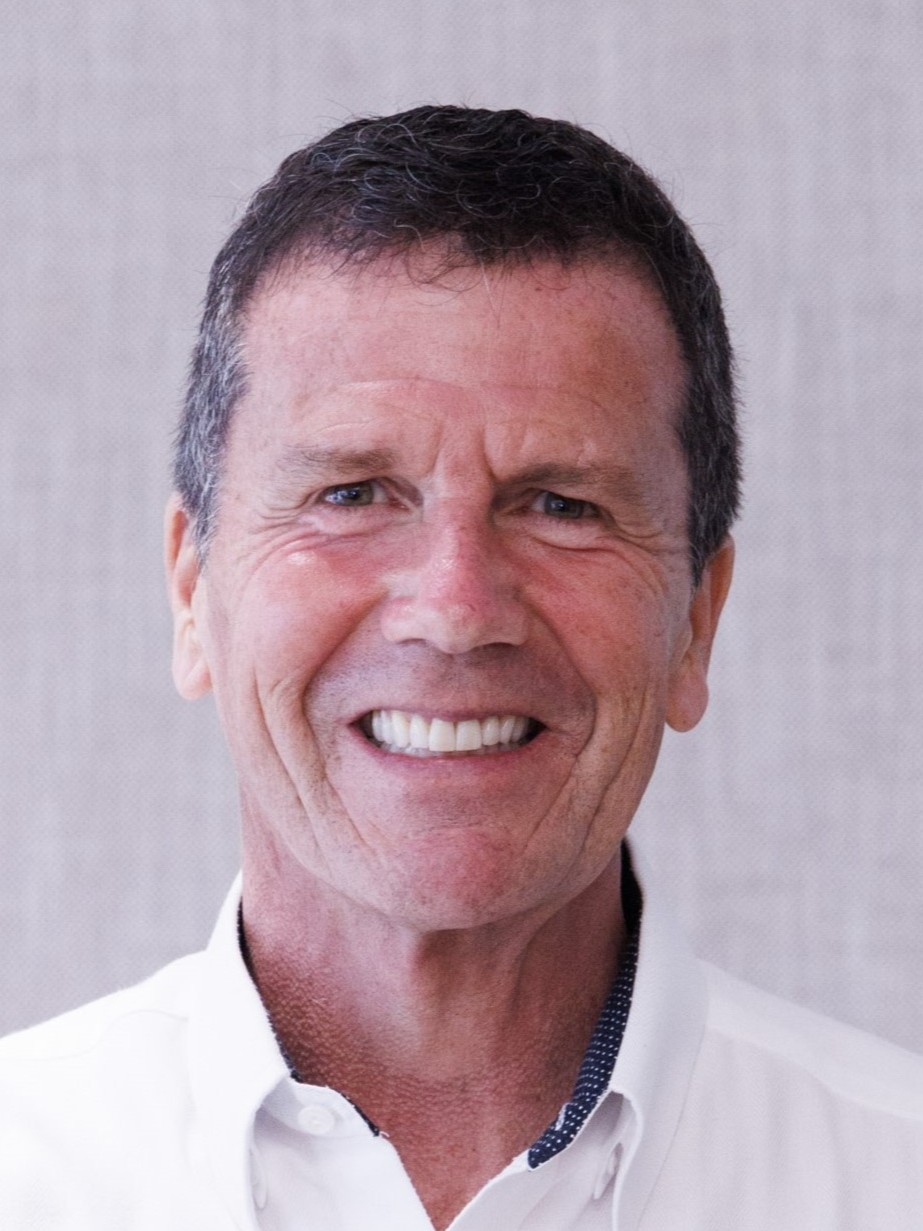
ASHK President Mark Saunders FASHK

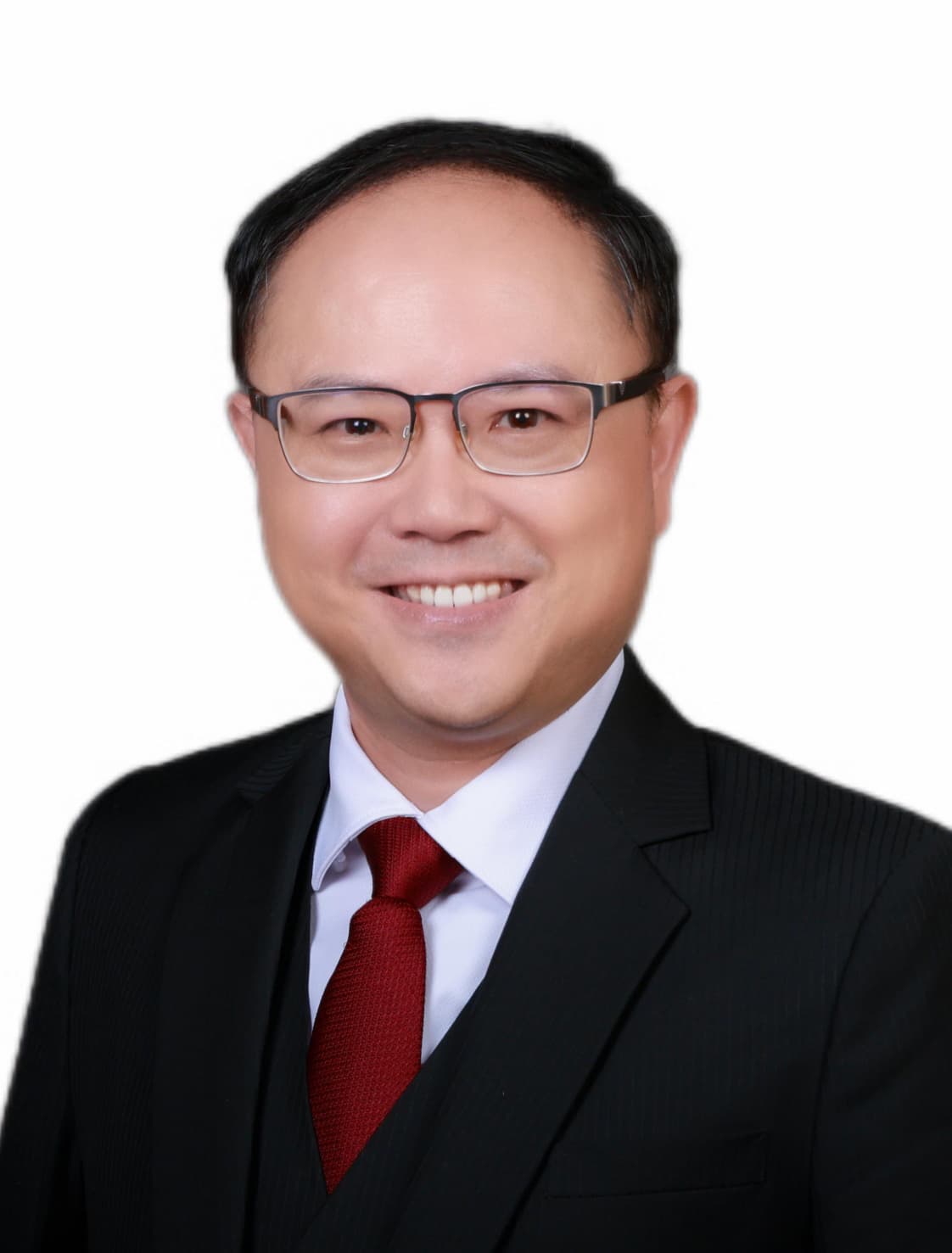
ASHK Vice President Patrick Au FASHK
What Every Hong Kong Flat Owner Needs to Know About Protecting Their Home
Hong Kong, [10 August 2026] – At a recent gathering of actuaries to discuss Building Property Insurance, the Actuarial Society of Hong Kong (ASHK) has identified critical areas for improvement in building protection and insurance awareness to address a potential crisis: the massive gap in building property insurance knowledge that may leave many families vulnerable.
Addressing the Insurance Knowledge Gap
Many residents assume they are fully covered, only to find out too late that they aren't. ASHK have identified a critical misunderstanding among the public:
- Home Insurance - covering internal fixtures, furniture, and personal belongings, and
- Building Property Insurance - covering the actual physical structure and common areas of the estate.
“As a professional body, our role is to bring clarity to complex risk issues, so that individuals and communities can make informed decisions before adverse events occur,” says Trinity Pong, Co-Chairperson of the ASHK General Insurance Committee, “improving public understanding of insurance is essential to strengthening community resilience.”
A Homeowner’s Checklist: 5 Ways to Protect Your Future
To help homeowners avoid financial ruin following a disaster, the ASHK recommends these essential steps:
- Be Safety-smart: Risk management must extend beyond insurance to include immediate attention to safety complaints, building material concerns and good building maintenance, which often serve as early warning signs. Act early, stop disasters before they start.
- Check Public Liability Coverage: Beyond the building structure, estates must maintain enough Public Liability Insurance and Group Personal Accident Insurance for management estate staff to cover legal liabilities arising from accidents or tragedies such as this.
- Vet Your Contractor: For estates undergoing renovation, ensure contractors hold Employees’ Compensation, Third-Party Liability, and Contractors’ All Risks Insurance. If they don’t, the financial burden could fall on the owners.
- Make Sure Your Cover is Enough: Owners’ Corporations must evaluate whether the coverage limit is sufficient or if more comprehensive protection is warranted.
- Review Your Coverage Regularly: Given that reconstruction costs for large estates can run into billions of dollars, and that construction costs are skyrocketing due to inflation, insured sums should be professionally reviewed every two to three years to ensure coverage remains adequate.
Why Actuaries Care
Actuaries are like "math detectives"—we study data to predict and manage risk. "As actuaries, we have the technical expertise and professional responsibility to help our community manage these risks," said Jenny Lai, Co-Chairperson of the ASHK General Insurance Committee. By bridging the gap between complex policy and public awareness, the ASHK hopes to ensure that if tragedy strikes again, Hong Kong families aren't left standing in the rubble without a path forward.
English Version
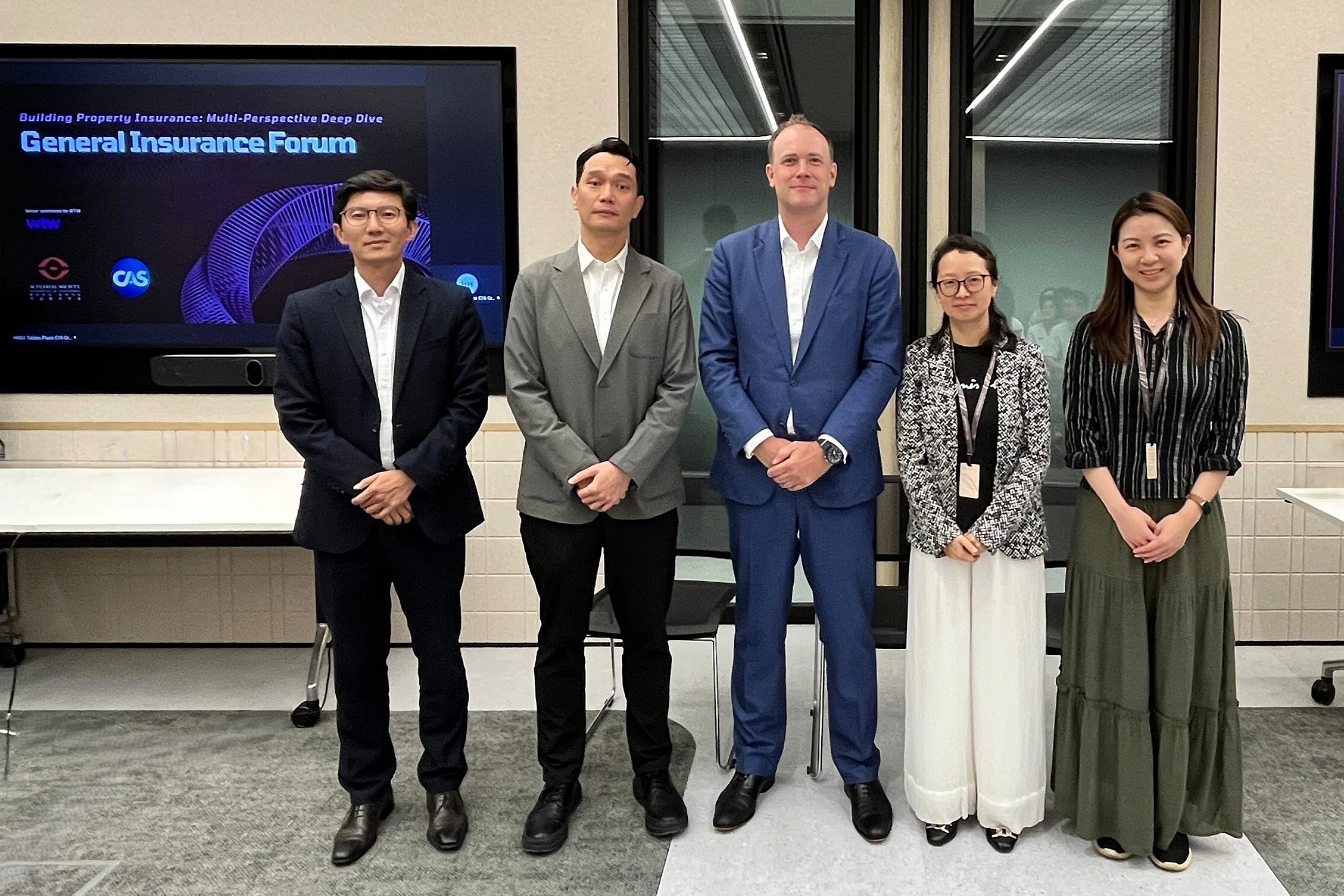
Caption
(from left to right)
Building Property Insurance experts, David Ding, Kelvin Tam and Steve Hutchinson, with ASHK General Insurance Committee Co-Chairpersons, Jenny Lai and Trinity Pong.
Cancer in Hong Kong: Understanding the Risk and the Numbers
Hong Kong, [2 July 2026] – In this first episode of our awareness series, we look at the "hidden heartbeat" of cancer statistics in our city—the numbers that define our collective risk.
The 14-minute reality
Whilst we sleep tonight, 35 more people in Hong Kong will wake up tomorrow morning diagnosed with cancer; you could be one of them. To understand the scale of cancer in Hong Kong, we look at how often a new diagnosis occurs. Based on the most recent data, more than 37,900[1] new cases were recorded in a single year. This means that every 14 minutes, a person in Hong Kong is diagnosed with cancer; that’s more than 100 Hong Kongers every single day of the year. It is a reminder that cancer is not a distant possibility, but a constant reality in our healthcare landscape.
1 in 4 vs. 1 in 5 – Will you be the unlucky one?
Cancer can strike at any age. When we look at the probability of being diagnosed before the age of 75, the statistics offer a clear wake-up call for financial and health planning:
- For Males: 1 in 4 will develop cancer before age 75.1
- For Females: 1 in 5 will develop cancer before age 75.1
These odds suggest that cancer is a foreseeable life event for a significant portion of our population. Actuaries assess risks to help design affordable protection plans so that a diagnosis doesn't lead to a major financial burden for a family.
What are the trends?
As our population ages, cancer diagnoses continue to increase gradually. One of the most striking trends we’ve identified is that cancer is affecting men and women differently over time. When we adjust for the effects of an ageing population, a clear split emerges:
- For Men: The overall incidence rate has been relatively stable.1
- For Women: The trend is deteriorating, with an increasing rate of new cases observed over the last decade.1
Incident rates are still high for both groups, but women have recently surpassed men in the total number of new cancer cases diagnosed annually in Hong Kong.1
Is it this simple for all cancers?
While the average (adjusted for the ageing population) shows these trends, the reality beneath the surface is more complex. While some types of cancer are in retreat, others are rising sharply—often linked to modern lifestyles in a high-density city.
Survival: The power of early detection
The final, and highly important, number we track is survival. Data consistently shows that cancer is not a single outcome, but a race against time.
Survival rates by stage tell a powerful story: for many common cancers, the 5-year survival rate for patients diagnosed at Stage I is 90% or higher2. At this early stage, survival is often relatively close to that of the general population. However, that survival rate drops drastically—sometimes to below 10%—if the cancer is not caught until Stage IV2.
From an actuarial perspective, this "survival gap" is why we strongly advocate for early detection. It doesn’t just save lives; it reduces the complexity and cost of treatment, keeping the entire healthcare system more affordable for everyone.
1 Overview of Cancer Statistics in Hong Kong, accessed on May 9, 2026, https://www.cancer.gov.hk/en/hong_kong_cancer/overview_of_cancer_statistics_in_hong_kong.html
2 Overview of Hong Kong Cancer Statistics of 2023 About the Hong ..., accessed on May 9, 2026, https://www3.ha.org.hk/cancereg/pdf/overview/Overview%20of%20HK%20Cancer%20Stat%202023.pdf
English Version
English Version
Hong Kong’s MPF Assets may hit HK$4.2 Trillion in 2045 – Actuaries report MPF Market Size Projection for the next 20 years and what it means to you
Press Release
English Version
English Version
(L-R)
Zita Chung FASHK, ASHK Pension & Employee Benefits Committee Vice-Chairperson 香港精算學會退休金及僱員福利委員會副主席鍾思達女士
William Chow FASHK - ASHK Pension & Employee Benefits Committee Member and Project Lead 香港精算學會退休金及僱員福利委員會成員及專案負責人周沛言先生
Patrick Au FASHK - ASHK Vice President 香港精算學會副會長區志禮先生
Kevin Lee FASHK - ASHK Pension & Employee Benefits Committee Chairperson 香港精算學會退休金及僱員福利委員會主席李吉宏先生
The Actuarial Society of Hong Kong Welcomes 2026 - 2027 Budget: Fortifying Hong Kong’s Resilience through Risk Management and Innovation
English Version

 Linkedin
 Facebook
 Instagram
 Youtube